Showing posts with label Canon EF-S. Show all posts

10.29.2025

DSLR Pics: Doggos with the Canon EOS 7D


The Canon EOS 7D was a big hit and stayed in production for what felt like an eternity at the height of the DSLR wars, staying in the catalog for half a decade before getting replaced by the 7D Mark II.

It's still a capable camera to this day, eleven years after it was discontinued.


8.16.2025

Semi-Tough: Canon EOS 40D

Of the high-end “prosumer” DSLR bodies that hit the market during 2007-2008, the Canon EOS 40D had the most aggressive pricing…by a whole dollar.

When it was released in late August of '07, Canon had yet to slice the DSLR market as finely as they did in later years. There were the 1D and 5D professional cameras, but lower on the totem pole there was only the plastic-bodied entry-level EOS Rebel XTi, and the 40D, successor to the earlier 30D.

This meant that the $1,299 Canon EOS 40D had to cater to every buyer from well-heeled novices who were too cool for a Rebel to advanced amateurs and professionals who couldn't justify the $3,000+ tariff demanded for the full-frame 5D.

This made for a mode dial that was a little... crowded.


You had your "Green Rectangle" setting, which turned the camera into a fully-automated giant point-'n'-shoot. For the advanced amateur or pro, there was your regular array of "PASM" modes (as well as "A-DEP", which adjusted the aperture to ensure that all subjects covered by the active focusing points were inside the depth of field), and the user-programmable C1-through-C3 custom settings. Finally, for beginners there was the selection of Sports, Portrait, Landscape, et cetera modes. All in all, this sums up to fifteen possible settings on the mode dial. Yikes!


The LCD panel on top gave you pretty much all the setting info you needed to drive the camera and could be backlit orange for easy reading in dim lighting.


The 40D was a pretty iterative update of the earlier 30D. On the back, the LCD was now a larger 3" screen, up from its predecessor's 2.5" unit, necessitating the relocation of of the buttons from a vertical column to the left of the screen to a horizontal row under it.

Under the hood, the APS-C sized CMOS sensor went from 8.2 to 10.1 megapixels and the 40D got Canon's new DIGIC III image processor, the second camera after the 1D to do so.

Despite being well-received and earning the "Highly Recommended" rating from DPReview, the 40D was one of the shortest-lived prosumer Canons, getting replaced after only a year by the 15MP EOS 50D.

Nowadays you can pick up used 40D bodies for a c-note or less, but they still work great.


6.09.2025

DSLR Pics: Vintage Triumphs with the Canon EOS 40D

I was getting lunch at Fat Dan's the other day when a gaggle of Triumph motorcycles pulled up over at Yat's, so I ambled over for a closer look.


The 40D was wearing the excellent EF-S 17-55mm f/2.8 IS zoom lens, which is probably the best glass Canon made for their crop-sensor DSLRs.


I'd been shooting moving cars and the camera was set to Program Mode with the ISO set to 200 despite the fact that it was a sunny day, in order to keep shutter speeds reasonably quick.


Between the good glass and the 10MP CMOS APS-C sensor, the photos are pretty reasonably detailed.

1.08.2025

DSLR Pics: Random shots with the Canon EOS 40D

A liter-sized glass beer mug from Half Liter BBQ in SoBro, Indianapolis.


A happy pooch on the patio of Twenty Tap in SoBro, Indianapolis.


Tulips in SoBro, Indianapolis.


 A Volkswagen New Beetle in the parking lot at the grocery store.

9.22.2024

Baby Steps

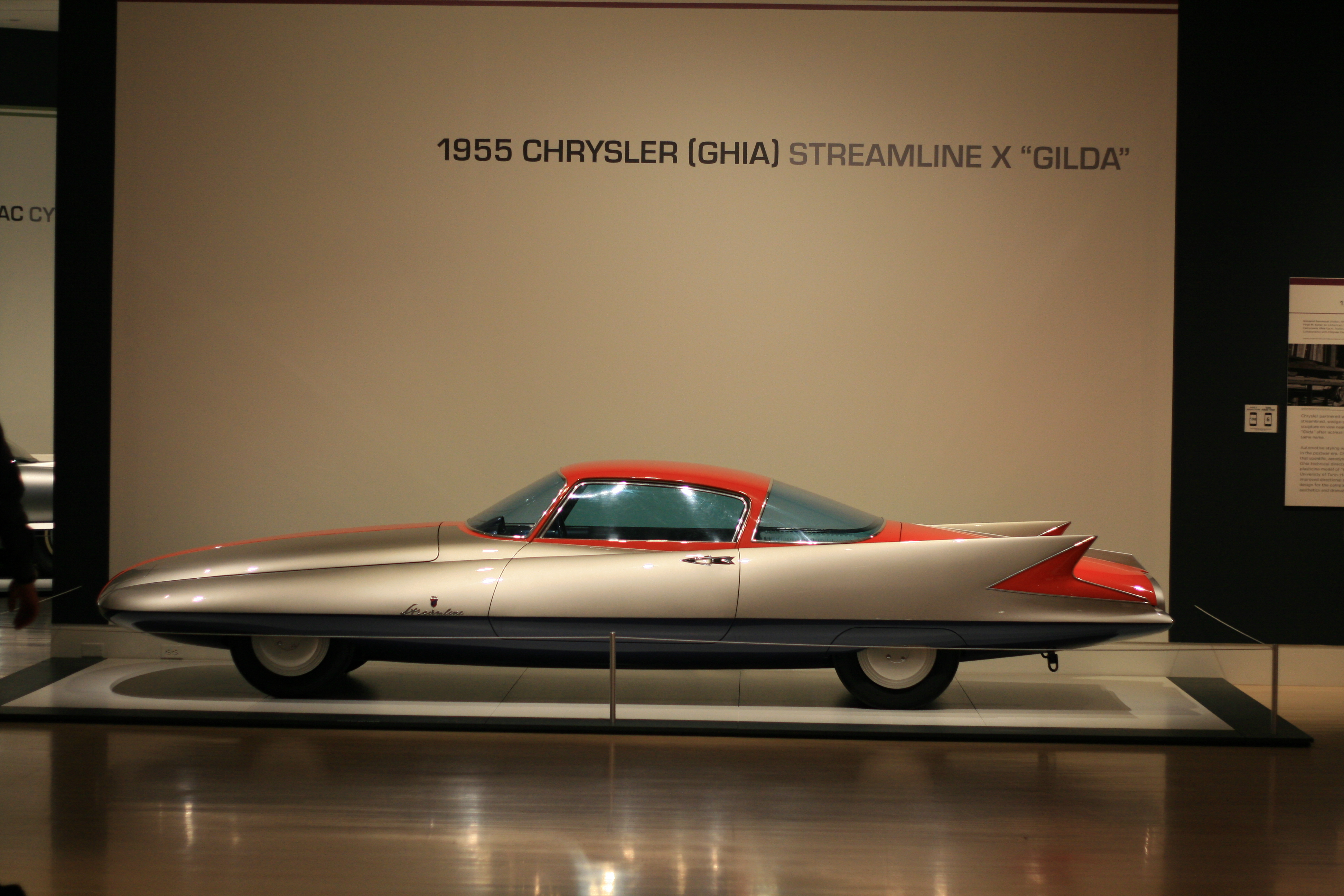
Back in 2015, Bobbi and I went to the Indianapolis Museum of Art (I refuse to call it "Newfields", no matter what the current signage reads) to see the touring "Dream Cars" exhibit.

I brought along a few cameras. Two were SLRs, a Canon EOS 10S, wearing an EF 35-135mm f/3.5-4.5 zoom lens and loaded with Ilford Delta 3200, and the other was an EOS Rebel XTi wearing the EF 50mm f/1.8 "Nifty Fifty". There was also the Nikon Coolpix P7000 I carried in my pocket all the time.

Thing was, I still had a lot to learn (and also re-learn) about photography. For instance, all my SLR experience before I bought the Rebel had been back in the film days, so I didn't know anything about crop factor. I slapped the 50mm on there because of the fast aperture, but the APS-C sensor on the Rebel made it effectively an 80mm lens. It was unstabilized, the fairly primitive sensor in the XTi struggled in low light, and I had way too long of a lens for shooting in the tight indoor quarters of a museum.


Meanwhile, even with the high speed B&W Ilford film in the EOS 10S, the unstabilized kit lens really struggled with the lighting.


The only camera that I got any really decent results with was the Coolpix, which had a fast, stabilized zoom lens, and which I put in Program mode at ISO 400 and just let 'er rip.


Not only was the gear primitive and my lens choices questionable, but I was shooting SOOC jpegs and my metering bag of tricks had, like, only two tricks in it.

Given what I had available at the time, I'd have been better off with the unstabilized 50mm on the film camera and just going with the stabilized EF-S 18-135mm travel zoom on the Rebel.

I would love to go back in time with my Fuji X-T2 or Nikon D800...

2.21.2024

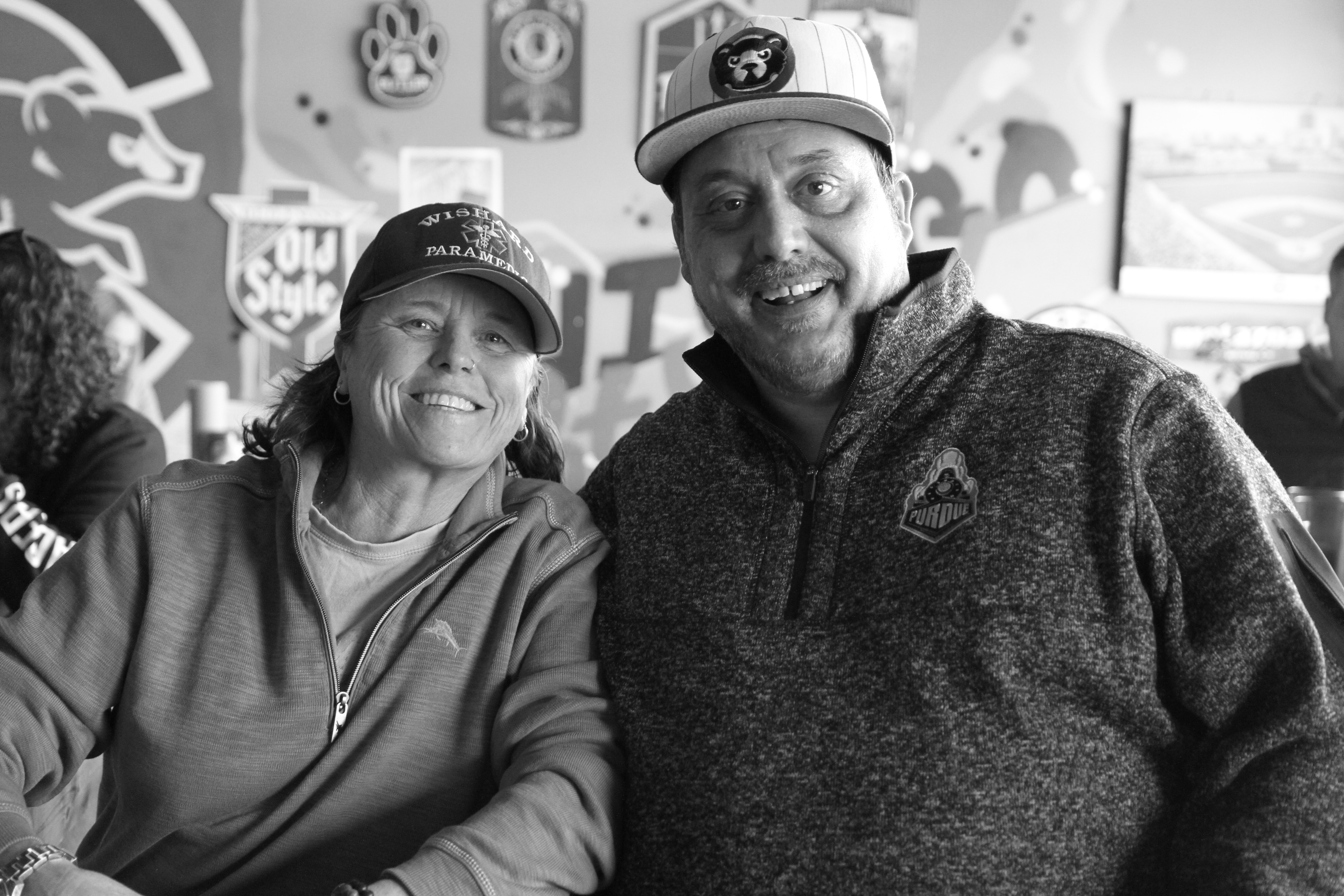
DSLR Pics: Neighborhood people with the Canon EOS 7D


The EOS 7D was something new for Canon. When it was released in 2009, it didn't replace the then-current EOS 50D, but rather it slid into an entirely new niche above it.

Up to that point, the two-digit EOS bodies had occupied an unusual spot in Canon's marketing strategy. Because of the high cost of the pro-oriented 5D and 1D bodies, the two-digit line had to serve two audiences: Enthusiasts who wanted a feature-laden camera, as well as pros on a tight budget.

So they were rugged metal-bodied cameras, fairly weather resistant, but also had the various "Basic Zone" modes like Sports, Portrait, Landscape, et cetera, that are beloved by more casual users.


When the 7D appeared, it was essentially a pro-grade 5D Mark II body, but with an 18MP APS-C sensor in place of the 21MP full frame unit. Gone were the Basic Mode settings, replaced by a battery of user-programmable presets.

Over time, the two-digit line lost its metal body and weather-sealing while the 7D and later 7D Mark II carried the torch as crop-sensor pro bodies, popular with airshow and wildlife photographers for their frame rate and the effective 1.6X focal length bump they gave Canon's big telephotos.

The pictures above were shot with an EOS 7D and Canon's excellent EF-S 17-55mm f/2.8 IS USM zoom lens, which is an "L" lens in all but name. They're straight-out-of-camera monochrome JPEGs.

The 7D remained in the catalog nearly five years before being superseded by the Mark II version and used ones today can be found for well under two hundred dollars, which is an incredible amount of bang for the buck.

.

12.02.2023

Vintage DSLR Pics: Audi R8 V10 Quattro with the Canon EOS 7D


It's hard to believe that Canon's EOS 7D will be celebrating its fifteenth birthday next September. When it came out in 2009, it was an instant favorite, combining the rugged, weather-resistant construction and pro controls of Canon's 5D series of full-frame cameras with an 18MP APS-C sensor and a price tag a hair under two grand.

The 1.6X effective boost in focal length and blazing 8 frames per second speed made it popular with nature, sports, and air show photographers, and it was among the first DSLRs to be able to shoot 1080p HD video. (Mind you, I'm strictly a stills photographer and I don't think this moving picture fad will stick around.)


This Audi R8 was photographed using the EF-S 17-55mm f/2.8 IS USM zoom lens, which is probably the best lens Canon ever made specifically for its crop sensor DSLRs. When it came out in 2006 there was some head-scratching as to why it didn't rate the red ring of an "L"-series lens, but it does lack weather sealing and has a polycarbonate lens barrel, plus I think Canon just plain likes to snub crop sensor shooters as a bunch of poors who should move up to full frame.

.